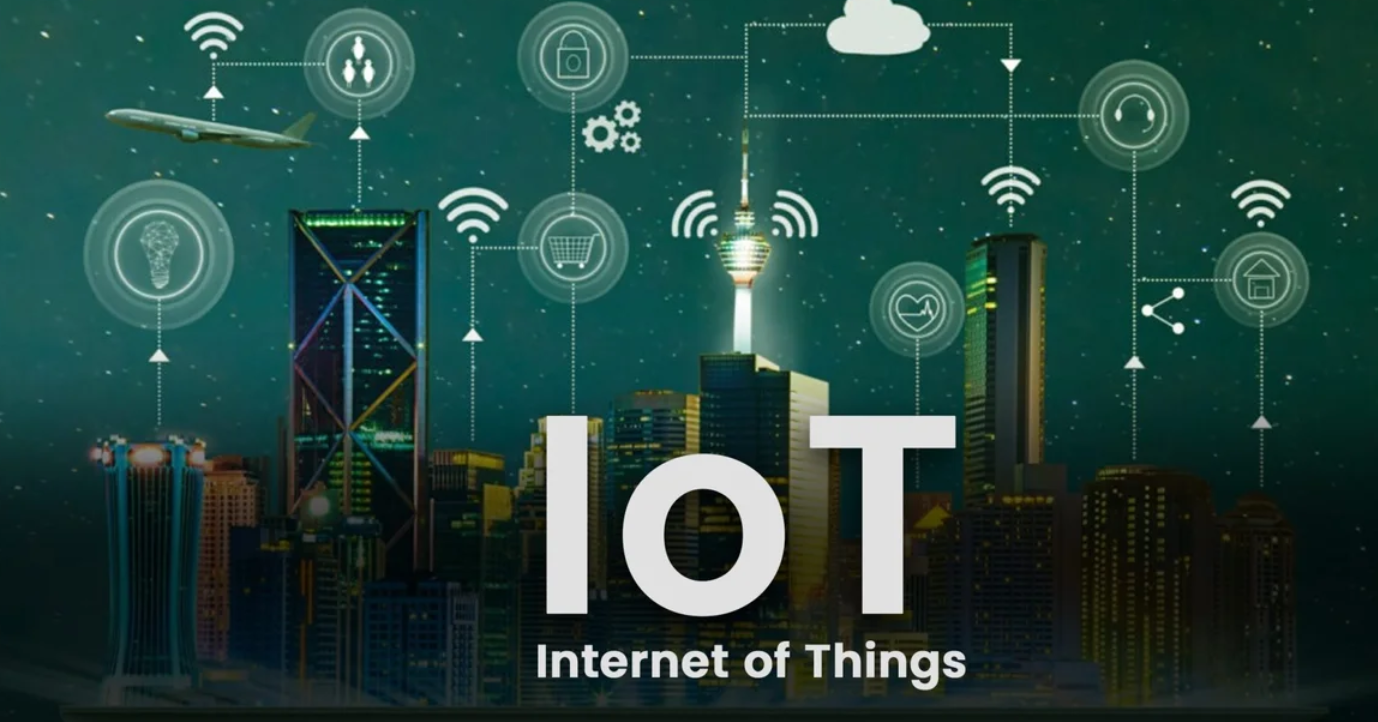
In recent years, technology has advanced rapidly, changing the way people live, work, and communicate. One of the most important developments in modern technology is the rise of smart devices and the Internet of Things, commonly known as IoT. The Internet of Things refers to a network of physical devices that are connected to the internet and can collect, share, and analyze data. These devices include smartphones, smart home appliances, wearable gadgets, vehicles, and industrial machines. As IoT continues to grow, it is transforming everyday life by making systems more efficient, intelligent, and interconnected.
Smart devices are designed to perform tasks automatically and respond to user behavior. Smartphones are one of the most common smart devices, allowing people to communicate, access information, manage finances, and control other smart devices from a single platform. Wearable devices such as smartwatches and fitness trackers monitor health data like heart rate, steps, sleep patterns, and physical activity. These devices help users become more aware of their health and encourage healthier lifestyles by providing real-time feedback and personalized insights.
Smart homes are a major example of how IoT is shaping daily life. Smart thermostats learn household habits and adjust temperatures automatically to save energy and improve comfort. Smart lighting systems can be controlled remotely or programmed to turn on and off based on time, motion, or natural light levels. Smart speakers and voice assistants allow users to control devices, play music, set reminders, and search the internet using voice commands. Smart security systems, including cameras and doorbells, provide real-time monitoring and alerts, improving home safety and peace of mind.
Transportation has also been transformed by smart devices and IoT technology. Connected vehicles use sensors and software to monitor performance, detect problems, and improve safety. GPS systems and navigation apps provide real-time traffic updates, helping drivers avoid congestion and reduce travel time. Ride-sharing services rely on IoT data to match drivers with passengers efficiently. In the future, IoT will support the development of autonomous vehicles that communicate with each other and with traffic systems to reduce accidents and improve traffic flow.
Healthcare is another field that benefits greatly from the Internet of Things. IoT-enabled medical devices can monitor patients remotely, allowing doctors to track health conditions without frequent hospital visits. Wearable health devices collect data on heart rate, blood pressure, and activity levels, helping detect potential health issues early. Hospitals use smart equipment to manage resources, track patients, and improve treatment efficiency. These technologies make healthcare more accessible, cost-effective, and personalized.
In education, IoT technology is improving learning environments and student experiences. Smart classrooms use connected devices such as interactive boards, tablets, and learning software to enhance teaching methods. IoT systems can monitor attendance, track student progress, and adjust learning materials based on individual needs. Remote learning has also benefited from IoT by enabling virtual classrooms and real-time collaboration, making education accessible to students regardless of location.
Industries and businesses rely heavily on IoT to increase productivity and reduce costs. In manufacturing, smart machines use sensors to monitor performance and detect issues before equipment fails. This approach, known as predictive maintenance, helps prevent downtime and save money. Retail businesses use IoT to manage inventory, track customer behavior, and improve shopping experiences. Smart supply chains ensure goods are delivered efficiently and on time.
Smart cities are another important application of IoT technology. Cities use connected systems to manage traffic, reduce energy consumption, and improve public services. Smart traffic lights adjust timing based on traffic flow to reduce congestion. Smart waste management systems monitor trash levels and optimize collection routes. Environmental sensors track air quality, temperature, and noise levels, helping city planners create healthier and more sustainable urban environments.
Despite its many benefits, the rise of smart devices and IoT also presents challenges. Cybersecurity and data privacy are major concerns, as connected devices collect large amounts of personal and sensitive data. If not properly protected, this data can be accessed by cybercriminals. Ensuring strong security measures, regular software updates, and responsible data usage is essential. Another challenge is the lack of standardization, as devices from different manufacturers may not always work smoothly together.
The future of IoT is full of possibilities. As technology continues to improve, smart devices will become more affordable, efficient, and intelligent. Artificial intelligence will further enhance IoT systems by enabling better data analysis and decision-making. In the coming years, IoT is expected to play a key role in areas such as environmental protection, disaster management, agriculture, and energy conservation.
In conclusion, the rise of smart devices and the Internet of Things is transforming the modern world in powerful ways. From homes and healthcare to transportation, education, and cities, IoT technology is making life more connected, efficient, and convenient. While challenges such as security and privacy must be addressed, the benefits of IoT are undeniable. As smart devices continue to evolve, they will shape the future of technology and everyday life, creating a more intelligent and interconnected world.