Technology is evolving faster than ever before, transforming the way people live, work, learn, and communicate. Over the next decade, new technological trends will continue to reshape society, economies, and everyday life on a global scale. Innovations that once seemed futuristic are quickly becoming reality, influencing industries such as healthcare, education, transportation, business, and entertainment. Understanding these trends is important because they will define how the world functions in the coming years and how humans interact with technology.
One of the most influential trends shaping the future is artificial intelligence (AI). AI systems are becoming more advanced, capable of learning, reasoning, and making decisions with minimal human involvement. In the next decade, AI is expected to become more integrated into daily life, powering smart assistants, autonomous vehicles, medical diagnostics, and personalized learning platforms. Businesses will increasingly rely on AI to analyze data, predict customer behavior, automate processes, and improve efficiency. As AI grows more powerful, it will not only increase productivity but also raise important ethical questions about privacy, fairness, and job displacement.
Another major trend is the expansion of automation and robotics. Robots are already used in manufacturing, warehouses, and healthcare, but their role will grow significantly in the future. Advanced robots will be able to perform complex tasks with greater accuracy and flexibility. In industries such as construction, agriculture, and logistics, automation will help reduce costs, improve safety, and increase output. While automation may replace certain manual jobs, it will also create new opportunities that require technical skills, creativity, and problem-solving abilities.
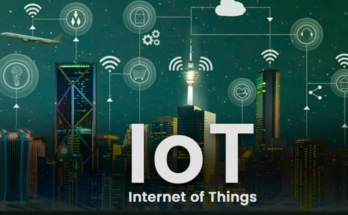
The Internet of Things (IoT) is also set to play a major role in shaping the next decade. IoT refers to the network of connected devices that collect and share data through the internet. Smart homes, wearable devices, connected cars, and smart cities are all examples of IoT technology. In the future, billions of devices will be connected, allowing systems to communicate and work together seamlessly. This will improve energy efficiency, transportation systems, healthcare monitoring, and urban planning. However, increased connectivity will also require stronger cybersecurity measures to protect personal and organizational data.
Advancements in healthcare technology will significantly improve the quality of life in the coming decade. Telemedicine, AI-powered diagnostics, wearable health devices, and personalized medicine will make healthcare more accessible and efficient. Doctors will be able to diagnose diseases earlier and more accurately using advanced imaging and data analysis tools. Wearable devices will continuously monitor health conditions, helping prevent serious illnesses. Technology will also support mental health care through digital therapy platforms and AI-based support systems.
Education will be transformed by digital innovation and emerging technologies. Online learning platforms, virtual classrooms, and AI-driven tutoring systems will become more common. Students will receive personalized learning experiences tailored to their strengths, weaknesses, and learning styles. Virtual reality (VR) and augmented reality (AR) will make education more interactive by allowing students to explore historical events, scientific concepts, and real-world environments in immersive ways. These technologies will help make education more engaging and accessible to learners worldwide.
Another important trend shaping the future is the growth of renewable energy and sustainable technology. As concerns about climate change increase, technology will play a key role in creating cleaner and more efficient energy solutions. Advances in solar power, wind energy, battery storage, and smart grids will reduce dependence on fossil fuels. Electric vehicles will become more affordable and widespread, helping reduce pollution and carbon emissions. Sustainable technology will also focus on reducing waste, conserving resources, and protecting the environment.
The future of work will be heavily influenced by digital transformation and remote technologies. The rise of remote work, virtual collaboration tools, and cloud computing has already changed how businesses operate. Over the next decade, flexible work environments will become more common, allowing people to work from anywhere. Cloud-based platforms will enable teams to collaborate efficiently across different locations and time zones. This shift will improve work-life balance for many employees while also challenging traditional office structures.
Cybersecurity will become increasingly important as technology advances. As more data is stored online and more systems become connected, the risk of cyberattacks will grow. Protecting personal information, business data, and national infrastructure will be a top priority. Future cybersecurity solutions will use AI and machine learning to detect threats faster and respond more effectively. Governments and organizations will need to invest heavily in digital security to maintain trust and safety in a connected world.
In conclusion, the next decade will be shaped by powerful technological trends that will redefine how society functions. Artificial intelligence, automation, IoT, healthcare innovation, digital education, sustainable energy, remote work, and cybersecurity will all play critical roles in the future. While these advancements offer great opportunities for growth and improvement, they also bring challenges that must be carefully managed. By understanding and preparing for these trends, individuals and societies can use technology responsibly to build a smarter, more connected, and more sustainable future.