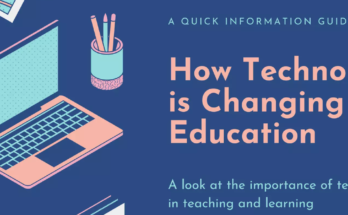
Digital innovation is transforming education in ways that were unimaginable just a few decades ago. Traditional learning environments that relied heavily on textbooks, chalkboards, and face-to-face lectures are being reshaped by digital tools and technologies. Today, education extends far beyond the physical classroom, offering flexible, personalized, and interactive learning experiences. Digital innovation has changed not only how students learn but also how teachers teach, assess, and support learners. As technology continues to evolve, it is redefining education to meet the needs of a fast-changing, knowledge-driven world.
One of the most significant impacts of digital innovation on education is the rise of online and blended learning. Online learning platforms allow students to access lessons, assignments, and educational resources from anywhere with an internet connection. This flexibility benefits students who may face geographical, financial, or time-related barriers to traditional education. Blended learning combines online resources with in-person instruction, creating a balanced approach that supports different learning styles. Students can review digital materials at their own pace while still benefiting from classroom interaction and guidance.
Digital innovation has also enabled personalized learning, which is reshaping how students experience education. Using data analytics and artificial intelligence, digital learning systems can analyze student performance and adapt content to individual needs. This allows learners to progress at their own speed, focusing more on areas where they need improvement. Personalized learning helps students feel more engaged and confident, while teachers can use data insights to provide targeted support and improve learning outcomes.
Interactive and multimedia learning tools have made education more engaging and effective. Videos, animations, simulations, and interactive quizzes help explain complex concepts in a visual and practical way. Technologies such as virtual reality (VR) and augmented reality (AR) allow students to explore virtual laboratories, historical events, and real-world environments without leaving the classroom. These immersive experiences enhance understanding and make learning more memorable by connecting theory with practice.
Digital innovation has transformed assessment and feedback processes in education. Online assessments and automated grading systems provide immediate feedback, helping students understand their mistakes and improve quickly. Teachers can track student progress using digital dashboards and analytics tools, allowing them to identify learning gaps early. This data-driven approach supports continuous improvement and reduces the time teachers spend on administrative tasks, giving them more time to focus on teaching and mentoring.
Collaboration and communication have become easier and more effective through digital platforms. Students can work together on group projects using shared documents, discussion boards, and virtual meeting tools. These platforms encourage teamwork, critical thinking, and communication skills, which are essential for success in modern careers. Teachers can communicate more efficiently with students and parents through learning management systems, emails, and messaging apps, strengthening the connection between schools and families.
Digital innovation is also promoting inclusivity and accessibility in education. Assistive technologies support students with disabilities by providing tools such as screen readers, speech-to-text software, and adaptive learning applications. Online learning opportunities allow students who may face physical, social, or economic challenges to continue their education. By removing barriers and offering flexible options, digital innovation helps create more inclusive learning environments that support diverse learners.
Teacher training and professional development have greatly benefited from digital innovation. Educators can access online courses, webinars, and global learning communities to improve their skills and stay updated with new teaching methods. Digital tools allow teachers to experiment with innovative approaches, share best practices, and collaborate with colleagues worldwide. This continuous learning culture helps educators adapt to changing educational demands and improve the quality of instruction.
Despite its many advantages, digital innovation in education also presents challenges. The digital divide remains a major issue, as not all students have equal access to devices and reliable internet connections. Data privacy and cybersecurity are critical concerns, as educational institutions collect and store sensitive student information. Additionally, excessive screen time and overreliance on technology may affect students’ physical and mental well-being. Addressing these challenges requires responsible technology use, strong policies, and support from governments and educational organizations.
In conclusion, digital innovation is redefining education by making learning more flexible, personalized, engaging, and accessible. It has expanded educational opportunities beyond traditional classrooms and empowered both students and teachers. While challenges remain, the benefits of digital innovation are significant and far-reaching. By embracing technology responsibly and thoughtfully, education systems can prepare learners with the skills, knowledge, and adaptability needed to succeed in a rapidly evolving digital world.