Artificial Intelligence (AI) is one of the most powerful and important technologies shaping the modern world. What was once considered a futuristic idea found only in science fiction movies has now become a real and essential part of everyday life. AI refers to computer systems that are designed to perform tasks that normally require human intelligence, such as learning, problem-solving, decision-making, understanding language, and recognizing images. Today, AI works quietly in the background of many tools and services people use daily, making life more convenient, efficient, and connected than ever before.
One of the most noticeable ways AI affects daily life is through smartphones and digital assistants. Virtual assistants such as Siri, Alexa, and Google Assistant help users perform everyday tasks like setting alarms, sending messages, searching the internet, checking the weather, and controlling smart home devices. These assistants use AI technologies like natural language processing and machine learning to understand voice commands and improve their responses over time. As they learn from user behavior, they become more accurate and personalized, saving time and effort in daily routines.
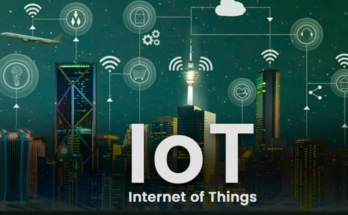
AI has also transformed homes into smart living spaces. Smart thermostats can learn household habits and adjust temperatures automatically to save energy and reduce costs. Smart lighting systems turn lights on or off based on movement or time of day, while AI-powered security cameras can detect unusual activity and send alerts to homeowners. These technologies not only increase comfort but also improve safety and energy efficiency, making homes more intelligent and environmentally friendly.
Transportation is another area where AI plays a major role in everyday life. Navigation apps like Google Maps and Waze use AI to analyze traffic conditions in real time and suggest the fastest routes. Ride-hailing services such as Uber and Lyft rely on AI algorithms to match drivers with passengers, calculate fares, and improve service efficiency. AI is also helping develop self-driving cars, which aim to reduce traffic accidents caused by human error, improve road safety, and provide mobility to people who cannot drive.
In the workplace, AI has significantly increased productivity and efficiency across many industries. Automated systems handle repetitive and time-consuming tasks such as data entry, scheduling, and customer service. Chatbots powered by AI answer customer questions instantly, providing support 24 hours a day. This allows human workers to focus on more creative, strategic, and complex tasks. In fields like finance, AI is used to detect fraud, analyze financial trends, manage investments, and offer personalized financial advice.
Healthcare has benefited greatly from advancements in artificial intelligence. AI systems help doctors analyze medical images such as X-rays, MRIs, and CT scans more accurately and quickly. Machine learning models can detect early signs of diseases like cancer, heart problems, and diabetes, improving diagnosis and treatment. Wearable devices powered by AI track physical activity, heart rate, sleep patterns, and overall health, encouraging people to live healthier lives and detect potential health issues early.
Education is another area where AI is changing everyday experiences. AI-powered learning platforms provide personalized education by adapting lessons to each student’s abilities, strengths, and weaknesses. Intelligent tutoring systems help students learn at their own pace, while automated grading tools save teachers time and effort. Online learning platforms use AI to recommend courses, track progress, and improve student engagement, making education more accessible to learners around the world.
Entertainment and media have also been deeply influenced by artificial intelligence. Streaming services such as Netflix, Spotify, and YouTube use AI recommendation systems to suggest movies, shows, and music based on user preferences and viewing history. This personalization helps users discover content they enjoy, creating a more engaging experience. Social media platforms rely on AI to curate news feeds, translate languages, recognize faces in photos, and filter harmful or inappropriate content.
Shopping and e-commerce have been revolutionized by AI technology. Online retailers analyze browsing behavior and purchase history to recommend products that customers are more likely to buy. AI-driven chatbots assist shoppers by answering questions, tracking orders, and resolving problems instantly. In physical stores, AI technologies such as smart shelves, facial recognition, and cashier-less checkout systems are improving convenience and efficiency.
Despite its many advantages, artificial intelligence also raises important challenges and ethical concerns. Issues such as data privacy, job displacement, algorithmic bias, and lack of transparency are widely discussed. As AI systems replace some jobs, workers may need to learn new skills to adapt to changing industries. Governments and organizations are working to create rules and ethical guidelines to ensure AI is used responsibly and fairly.
In conclusion, artificial intelligence is transforming everyday life in powerful and meaningful ways. From homes and workplaces to healthcare, education, transportation, and entertainment, AI has become an invisible but essential part of modern society. While it brings great convenience and efficiency, it also requires careful management and ethical responsibility. As AI continues to evolve, it will play an even greater role in shaping the future, improving human capabilities, and changing the way people live, work, and interact every day.