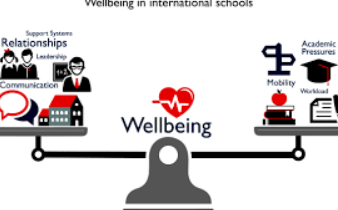
Student well-being has become an increasingly important concern within international education as the number of students studying across national borders continues to grow. International education offers valuable academic and cultural opportunities, but it also presents unique challenges that can affect students’ physical, emotional, social, and psychological well-being. Ensuring student well-being is essential not only for academic success but also for the overall quality and sustainability of international education systems.
One of the primary challenges affecting the well-being of international students is cultural adjustment. Moving to a new country often involves adapting to unfamiliar social norms, academic expectations, and lifestyles. Cultural differences in communication styles, teaching methods, and classroom participation can create stress and confusion. Without adequate support, international students may experience culture shock, which can negatively impact their mental health and academic performance.
Language barriers are another significant factor influencing student well-being in international education. Even students with strong academic backgrounds may struggle to communicate effectively in a second language. Difficulties in understanding lectures, participating in discussions, and completing written assignments can lead to anxiety and reduced confidence. Language-related stress may also limit social interaction, contributing to feelings of isolation and loneliness.
Social integration plays a crucial role in international student well-being. Building meaningful relationships with peers, faculty, and the local community helps students feel supported and included. However, international students may face challenges in forming social connections due to cultural differences, discrimination, or limited opportunities for interaction. Social isolation can have serious consequences for mental health and overall well-being.
Academic pressure is another important concern for international students. Many students face high expectations from family, sponsors, or governments to succeed academically. Adjusting to new assessment methods, independent learning styles, and competitive academic environments can increase stress levels. Balancing academic responsibilities with personal and social challenges requires strong coping skills and institutional support.
Financial stress also affects student well-being in international education. Tuition fees, living expenses, and currency fluctuations can create financial uncertainty. Some students may face restrictions on employment opportunities due to visa regulations, further increasing financial pressure. Financial stress can contribute to anxiety, depression, and academic difficulties if not adequately addressed.
Health and safety concerns are central to student well-being in international education. International students may have limited knowledge of local healthcare systems or face barriers in accessing medical and mental health services. Differences in healthcare practices, insurance coverage, and cultural attitudes toward mental health can prevent students from seeking help. Ensuring access to appropriate health services is essential for supporting student well-being.
Educational institutions play a critical role in promoting student well-being in international education. Universities and colleges can provide orientation programs, counseling services, academic support, and peer mentoring to help international students adjust. Culturally sensitive support services and multilingual resources can improve accessibility and effectiveness. Institutions that prioritize student well-being create inclusive learning environments that support both academic and personal development.
Technology has also become an important tool in supporting international student well-being. Online counseling services, virtual support communities, and digital mental health resources allow students to access help regardless of location. Technology can also facilitate communication with family and friends, helping students maintain social connections and emotional support networks.
Despite growing awareness, challenges remain in addressing student well-being in international education. Stigma surrounding mental health, limited institutional resources, and uneven policy implementation can hinder effective support. Collaboration between governments, institutions, and community organizations is necessary to develop comprehensive well-being strategies.
Promoting student well-being in international education has long-term benefits beyond individual students. Healthy and supported students are more likely to succeed academically, engage positively with their host communities, and contribute meaningfully to society. Graduates with positive international education experiences often become advocates for global cooperation and cultural understanding.
In conclusion, student well-being is a fundamental aspect of international education that requires sustained attention and commitment. While international education offers significant opportunities for growth and learning, it also presents challenges that can affect students’ mental, emotional, and social health. By prioritizing well-being through inclusive policies, supportive services, and collaborative efforts, international education systems can ensure that students thrive academically and personally in a global learning environment.